

Shaping the Future of Public Education in the St. Louis Region

The St. Louis region is facing a smaller student population, uneven district capacity, persistent opportunity gaps, and a less predictable funding and policy environment.
Normandy is the urgent catalyst, but the challenge is regional.
The STL Region Future of Public Education Task Force is bringing educators, families, students, elected officials, civic leaders, and technical experts together to develop and test locally legitimate, evidence-based options before choices narrow.
Frequently Asked Questions
-
The St. Louis region is experiencing significant demographic changes affecting nearly every public school district. Since 2020, the region has lost approximately 30,000 school-age children, and births continue to decline. These trends are creating long-term challenges for enrollment, finances, and educational opportunities. The Task Force was formed to develop evidence-based options before outside forces or state action determine the future of our communities.
-
No. Normandy's accreditation downgrade risk is the catalyst, but the challenge is regional. Enrollment has declined across many districts throughout the St. Louis area, making this a shared issue requiring regional planning.
-
No. There is no predetermined outcome. The Task Force is evaluating four approaches:
Maintaining Normandy's independence
Multi-district reassignment
Regional consolidation
A "Blank Slate" approach with no assumptions about current district boundaries
Each option will be evaluated using the same research, data, and community feedback.
-
Approximately 40 representatives from across the region, including superintendents, charter school leaders, school board presidents, teachers' union leaders, parents, students, mayors, state legislators, and community leaders. This is a community-led effort designed to reflect diverse perspectives.
-
The Task Force’s research team includes experienced professional auditors who evaluate evidence, validate data, and test assumptions. The team draws on PRiME Center research, data from DESE and participating districts, and evidence from leading education-policy and research organizations such as ECS, RAND, NCES, IES, Edunomics Lab, and the Learning Policy Institute. This ensures recommendations are grounded in reliable data and independent analysis—not opinion.
-
No. This is a planning process—not a merger proposal. No district has been identified for consolidation, and no option has been selected. Any recommendation will follow research, community engagement, and independent evaluation.
-
Yes. Any option must maintain public accountability, elected governance, and responsible stewardship of taxpayer dollars. This is not a charter school expansion initiative.
-
To ensure stronger educational opportunities, every option must:
Put students first
Preserve community identity and district heritage
Improve academic opportunities
Be financially sustainable
Prepare students for college, careers, and the future workforce
-
Accreditation decisions rest with the Missouri State Board of Education. The Task Force cannot control that decision, but it can help ensure the community is prepared. Rather than waiting to react after state action, the Task Force is proactively developing thoughtful, community-shaped options that can guide local decision-making and protect students under a range of possible outcomes.
-
The process was intentionally phased. School boards, superintendents, mayors, and local leaders were briefed first so those responsible for serving students and families understood the information before public engagement began. That public engagement is now underway.
-
Not necessarily. Preserving district heritage, traditions, and community identity is one of the Task Force's guiding principles. Inclusion in this study does not assign any district a future role or outcome.
-
Teachers and educator leaders are essential partners and are represented on the Task Force, and every option will be evaluated for its impact on staffing, workforce stability, and the ability to recruit and retain outstanding educators.
-
Community input is essential. Public meetings and engagement opportunities will be held throughout the fall before recommendations are finalized. Feedback from families, educators, students, and community members will help shape the process.
-
August-October 2026: Developing possible solutions, exploring how they would work in different situations, testing their strengths and challenges, and having them independently reviewed.
November-December 2026: Comparing the options, identifying the strongest path forward, submitting a recommendation to the community, building stakeholder understanding and support, and—where needed—planning for implementation and other next steps.
2027 and beyond: Making final decisions, preparing for the change, and putting the selected plan into action.
-
✔️ This is a regional challenge—not just a Normandy issue.
✔️ No decisions have been made.
✔️ No option is favored above another.
✔️ Students are at the center of every discussion.
✔️ The process is community-led and evidence-based.
✔️ Public schools will remain publicly governed and accountable.
Together, we have an opportunity to shape tomorrow's schools before others make those decisions for us.
Leadership
-
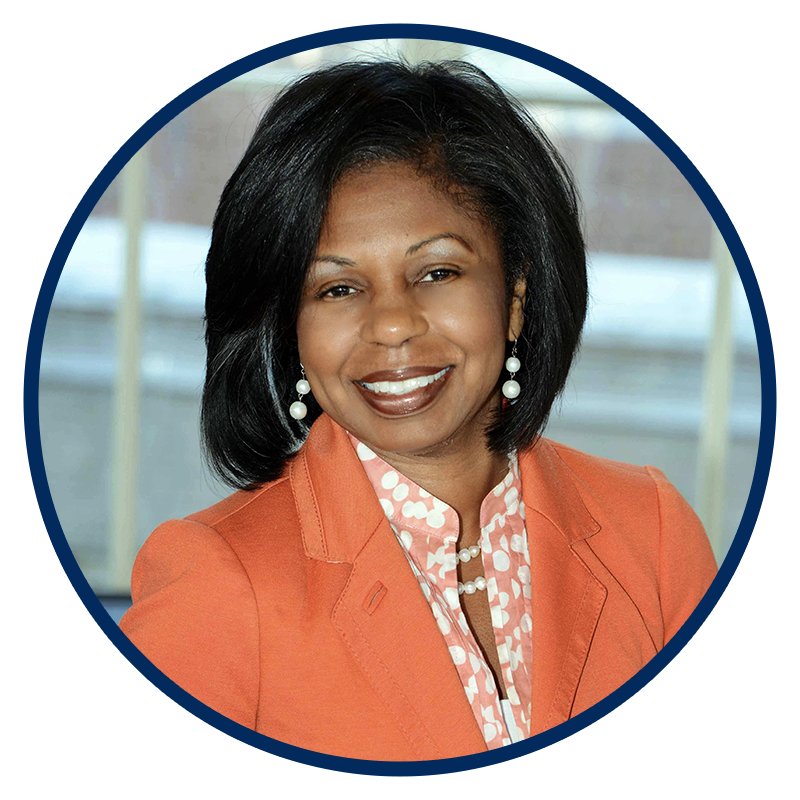
Pamela Westbrooks-Hodge, MBA
TASK FORCE CHAIR
-
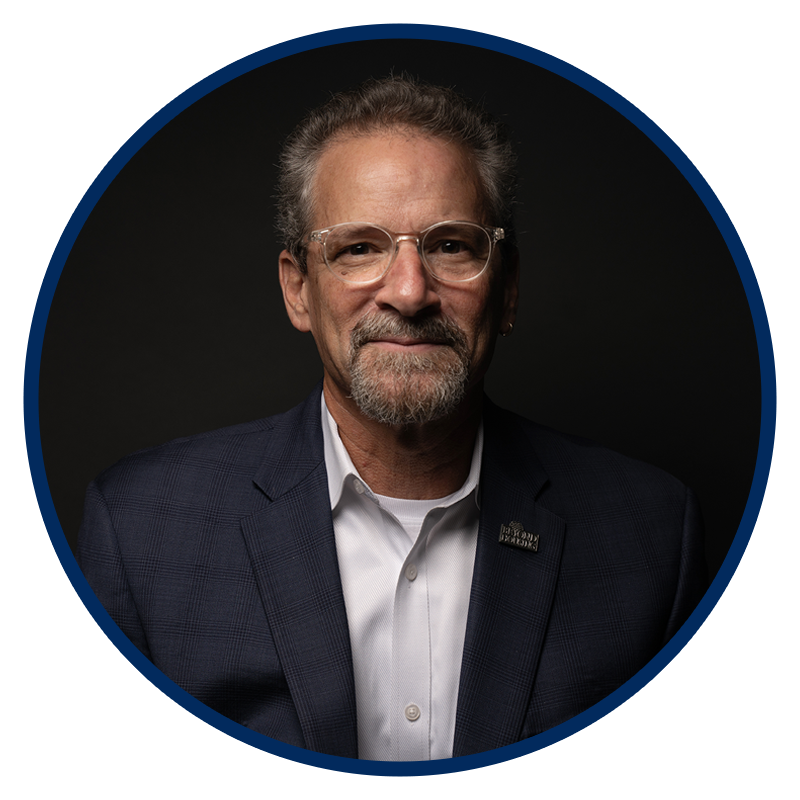
Chris Krehmeyer
TASK FORCE VICE-CHAIR
-
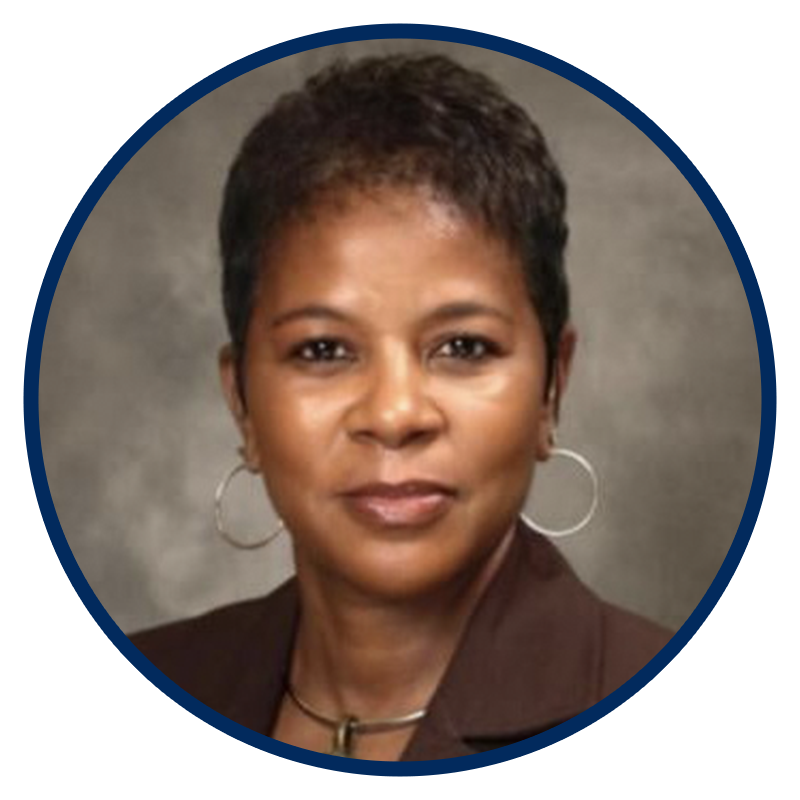
Dr. Tanya Patton
TASK FORCE VICE-CHAIR
-
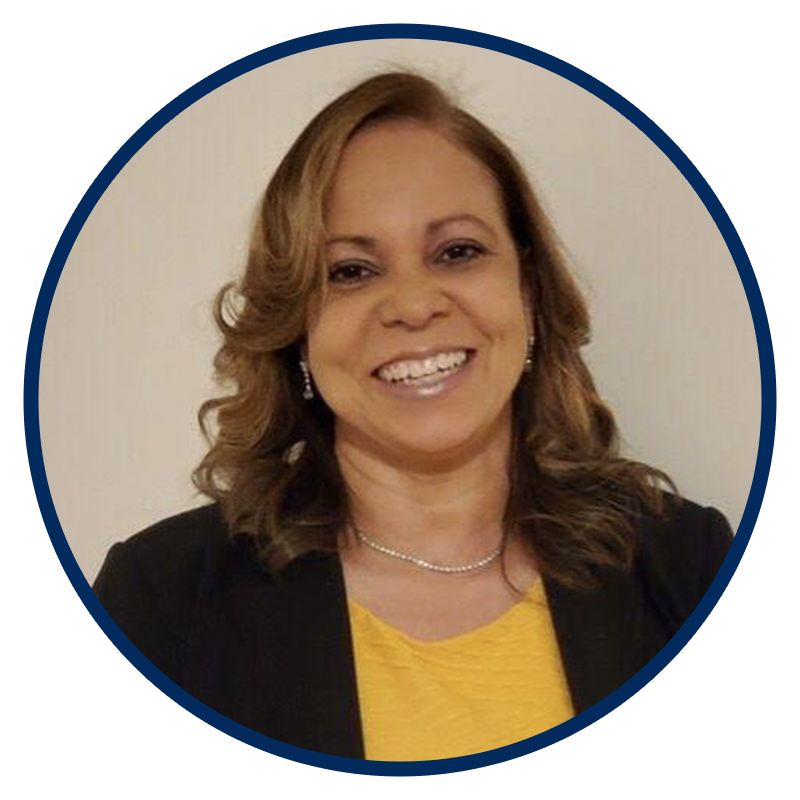
Sparkl Pruitt-West
TASK FORCE VICE-CHAIR
-
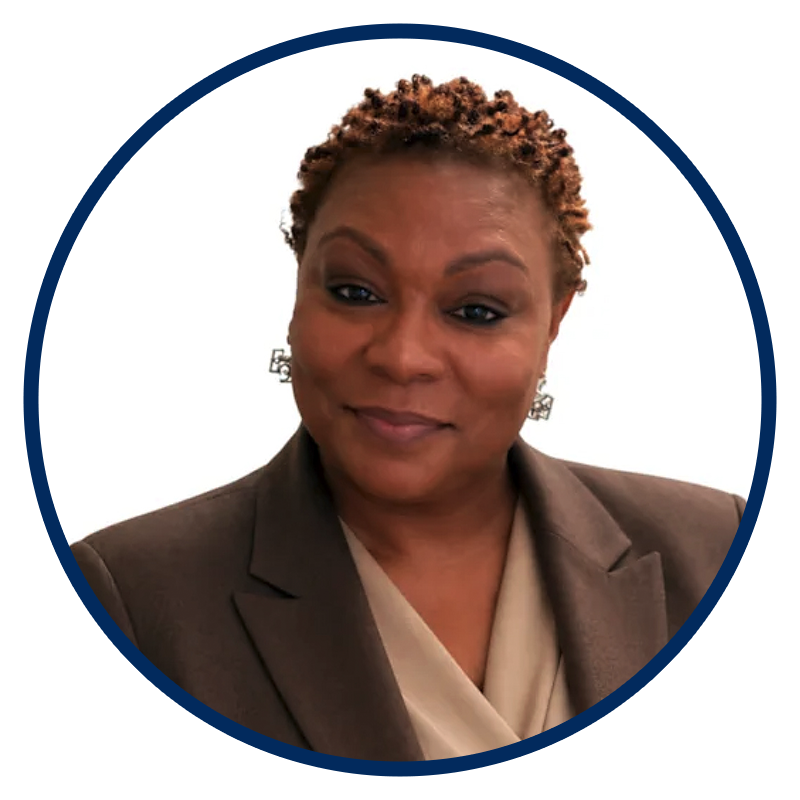
Dr. Cheryl Harris
NORMANDY SOVEREIGNTY SUBTEAM LEAD
-
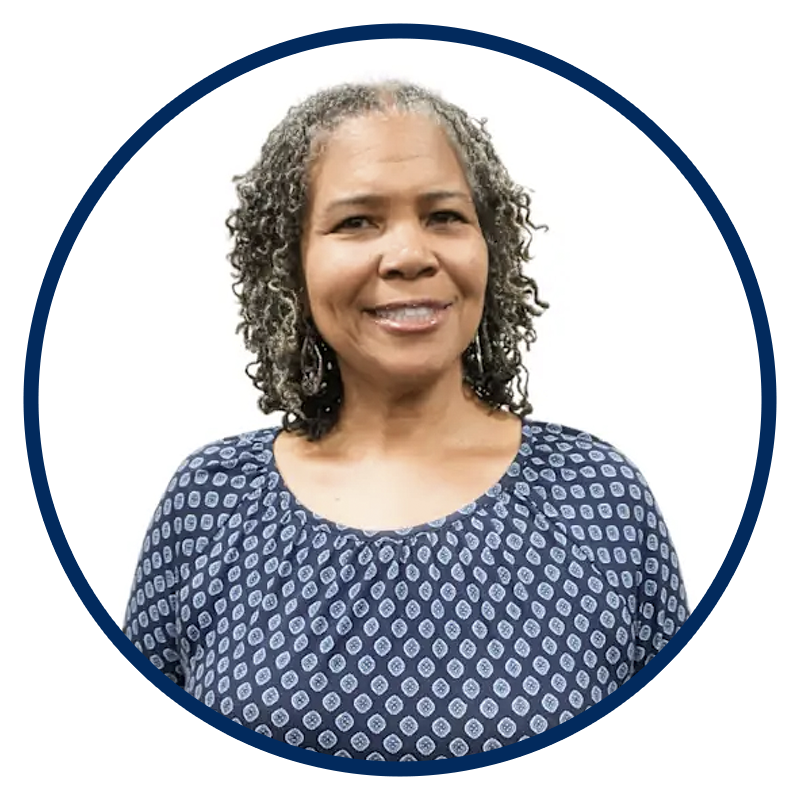
Mayor Monica Jefferson
MULTI-DISTRICT REASSIGNMENT CO-LEAD
-
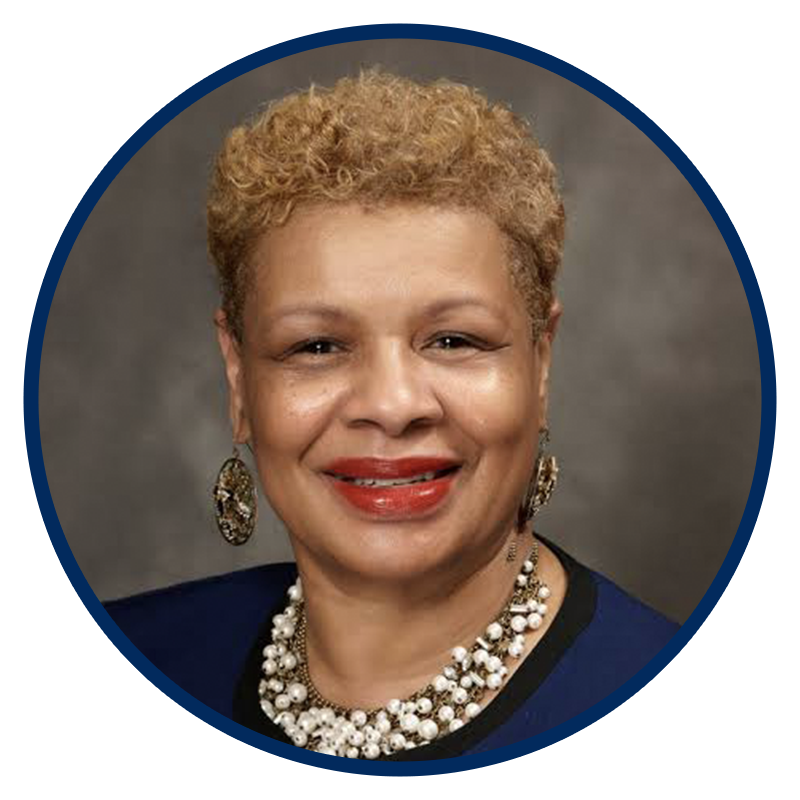
Barbara Sharp
MULTI-DISTRICT REASSIGNMENT CO-LEAD
-
Dr. Paula D. Knight
PHASED REGIONAL CONSOLIDATION SUBTEAM LEAD
-

Dr. Mike Fulton
BLANK SLATE SUBTEAM CO-LEAD
-
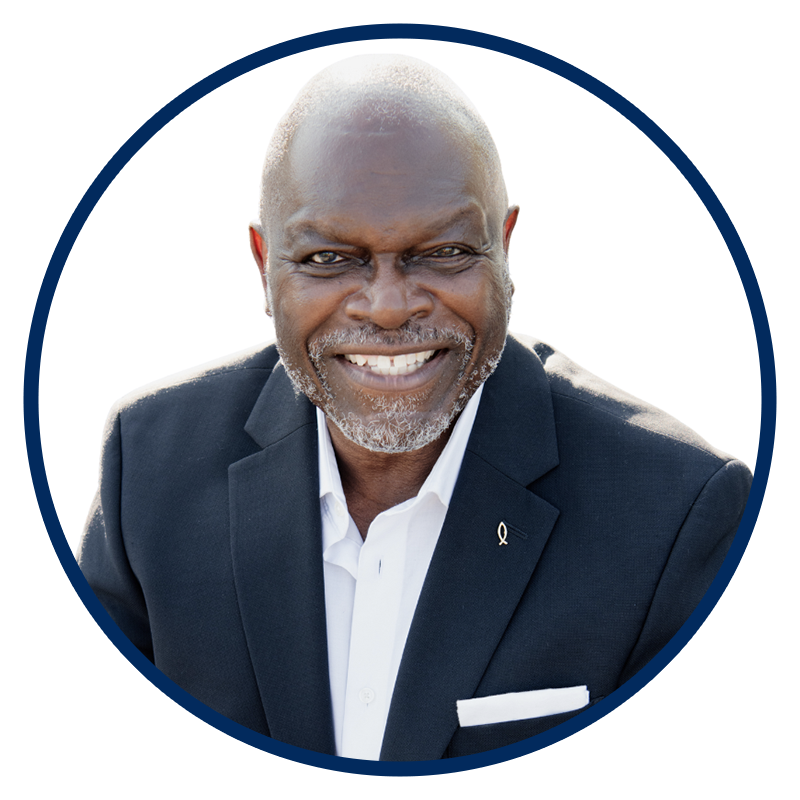
Dr. Charles Pearson
BLANK SLATE SUBTEAM CO-LEAD
The STL Region Future of Public Education Task Force is committed to a transparent, evidence-based planning process that gives our communities a meaningful voice in shaping the future of public education.
Contact
Pamela Westbrooks-Hodge
Chair, STL Region Future of Public Education Task Force
Member, Missouri State Board of Education - 1st Congressional District
Chris Krehmeyer
Vice-Chair, STL Region Future of Public Education Task Force
President and CEO, Beyond Housing
Dr. Tanya Patton
Vice-Chair, STL Region Future of Public Education Task Force
Superintendent, Riverview Gardens School District